
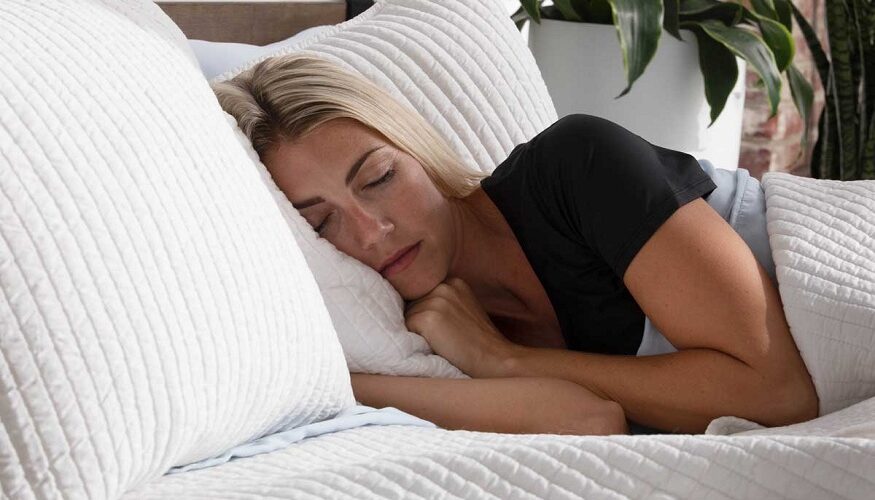
For millions of people, particularly women navigating menopause, the serenity of a good night’s sleep is frequently hijacked by the disruptive reality of hot flashes and night sweats. These sudden, intense bursts of heat leave bedding soaked, blankets tossed aside, and sleep fragmented. The search for a solution often leads to complex medical or dietary changes, but increasingly, the answer is being found in a deceptively simple area: the textiles we sleep in. Temperature-regulating fabrics represent a quiet revolution in sleep technology, engineered to manage the body’s thermal peaks and valleys, offering a non-invasive, continuous defense against nocturnal hot flashes.
These advanced fabrics move far beyond conventional cotton or silk. They are a triumph of material science, designed not just to wick away moisture but to actively manage heat energy. By strategically controlling the microclimate immediately surrounding the body, these cooling sheets for hot flashes help stabilize the core temperature, preventing the extreme swings that characterize a hot flash. Understanding the mechanisms behind these textiles is key to appreciating how they can transform the nightly experience of those suffering from menopausal symptoms or other thermoregulatory issues.
The Science of a Hot Flash
To grasp how special fabrics work; one must first understand the physiology of a hot flash. It is believed that hot flashes are caused by a narrowing of the brain’s thermo neutral zone—the precise range of core body temperature where the body feels comfortable. In menopause, due to hormonal fluctuations (primarily the drop in estrogen), the brain mistakenly perceives a slight, normal rise in core temperature as overheating.
In response, the body triggers an emergency cooling system: blood vessels dilate (vasodilation) to dump heat rapidly, and sweat glands activate to cool the skin through evaporation. This sudden, aggressive heat dissipation is the hot flash itself. At night, the presence of insulating bedding traps this heat and moisture, leading to a vicious cycle: the body sweats to cool down, the moisture gets trapped, the bedding becomes saturated, and the trapped heat triggers another cooling response, further fragmenting sleep.
Active Moisture Management: The Evaporative Advantage
While PCMs handle heat energy, other technical fibers are essential for managing the moisture component of night sweats. Traditional materials like cotton are highly absorbent but slow to release moisture, leading to that clammy, cold feeling that triggers the secondary chill.
Performance fibers used in sleepwear and bedding—such as specialized polyesters, Tencel (lyocell), or advanced nylon blends—are designed to be hyper-wicking. They quickly pull moisture away from the skin and spread it across the fabric’s surface area. This vast surface area exposure accelerates the rate of evaporation, allowing the moisture to escape the bedding microclimate rapidly.
This fast evaporation is critical because it removes the source of the compensatory chill. By keeping the skin dry and the bedding relatively dry, the body avoids the cycle of overheating, sweating, and then freezing that shatters deep sleep. Some fibers, like Tencel, also have natural thermal regulating properties due to their internal structure, enhancing the cooling effect.
Conclusion: A Drug-Free Solution for Better Sleep
The integration of temperature-regulating fabrics into bedding and sleepwear represents a significant breakthrough for individuals struggling with hot flashes and night sweats. It provides a non-pharmacological, drug-free solution that addresses the root cause of the discomfort: thermal instability. By employing sophisticated technologies like Phase Change Materials and advanced moisture-wicking fibers, these textiles transform the sleep environment into a climate-controlled sanctuary.
They move beyond passively insulating the body to actively smoothing out thermal extremes, ensuring that the body remains within its comfortable thermo neutral zone. For those seeking consistent, uninterrupted rest, embracing this cool comfort revolution is the essential step toward reclaiming the peaceful, restorative sleep they deserve.