
Shoe stores can feel like mazes. You face a multitude of choices. Online shopping? Even worse. The scroll seems endless. Nevertheless, deciding on everyday shoes will not be so challenging after you have identified the crucial elements.
Comfort Comes First
Your feet do a lot of work, so they deserve some indulgence. When inspecting a pair of shoes, then, apply firm pressure to the sole using your thumb. It should bounce back. It should not be flat and lifeless. A good insole supports without being restrictive.
Width matters more than most people think. Toes like their personal space. They want to spread out naturally when you take a step. That cramped feeling in the store? It will not disappear. Some people believe shoes will become comfortable. The same people often have closets of shoes they barely wore because “they didn’t fit”.
Materials Make the Difference
Leather lets your feet breathe. Canvas does too. But those shiny synthetic materials? They turn your shoes into little sweat factories. Though newer synthetic options have improved, natural materials still usually provide the most comfort.
Carefully examine the assembly of everything. Wonky stitching or threads hanging loose are red flags waving at you. Slide your hand inside and feel around. Any rough patches or weird bumps will absolutely destroy your feet after a few hours. Well-made shoes provide a smooth, consistent feel. They should be free of any discomfort in the toe or heel.
Finding Your Perfect Fit
Your feet actually get bigger as the day goes on. They puff up a bit from all that walking and standing. So that pair that felt amazing during your morning shopping trip might feel like a medieval torture device by dinner time. Shop later in the day when your feet are at their most honest size.
Both shoes need trying on because your feet probably aren’t twins. One’s usually a touch bigger. Walk around the store like you mean it. Do not think a few steps are enough. Bend, tiptoe, and pivot. The shoe should flex where your foot naturally flexes. If it is fighting you, this is a problem.
Style Meets Function
Your daily routine shapes what you need from footwear. Someone who chases toddlers requires different features from a person who sits at a desk all day. Picture an average Tuesday. Lots of stairs? Slippery hospital floors? Standing behind a counter? These details will show you which features truly matter to you.
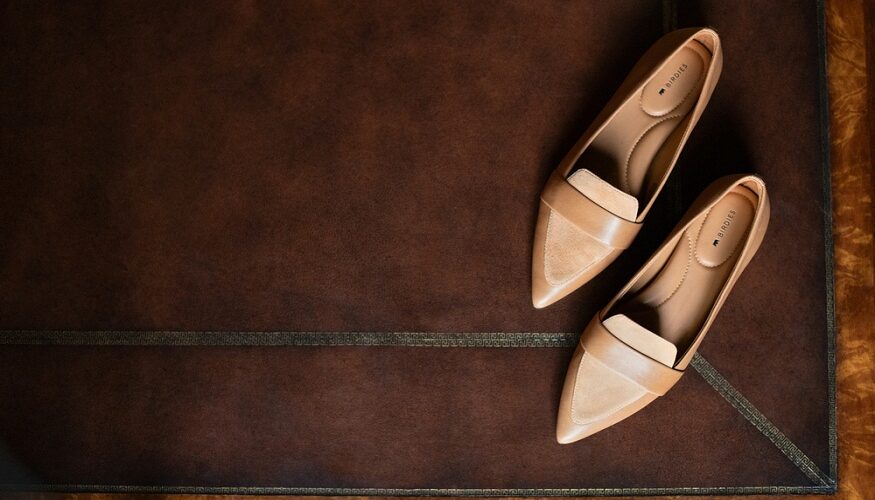
Adaptability can be a key advantage. Let us use women’s loafers as an example. These work equally well with jeans on Saturday or work clothes on Monday. Birdies, for example, is one company that has found this sweet spot. They produce shoes that appear professional but feel like house shoes. You want footwear that complements your outfits and feels good on your feet.
Conclusion
The right every day shoes tick a bunch of boxes at once. They cushion your steps without your thinking about it. The materials keep your feet feeling fresh. They fit as if they were made for you. They look good with your clothes. And they stick around long enough to become old friends. Skip the pairs that need “breaking in” or come with promises about how they’ll feel better later. Good shoes feel good now. They become part of your day without announcing themselves through aches, blisters, or that three o’clock foot throb. Finding them takes some patience and probably trying on more pairs than you’d like. But when you finally slip on that perfect pair and your feet practically sing? That’s when you know the hunt was worth every minute.